WAJDA: re-wizje. Brzezina

-
 TypSala 1 - Kinowa
WAJDA: re-wizje
Zmysłowa, a zarazem pełna malarskich symboli opowieść o życiu i śmierci, egzystencjalna konfrontacja afirmacji istnienia z pogrążeniem w żałobie, odsłaniająca uniwersalne prawdy o ludzkiej naturze.
Język: polski z angielskimi napisami
BRZEZINA, reż. Andrzej Wajda, Polska 1970, 99'
--
Miejsce: Sala 1-Kinowa
Dla kogo: młodzież, dorośli
Bilety: 22 (normalny), 19 (ulgowy), 17 (z Kartą Kinomana) zł
--
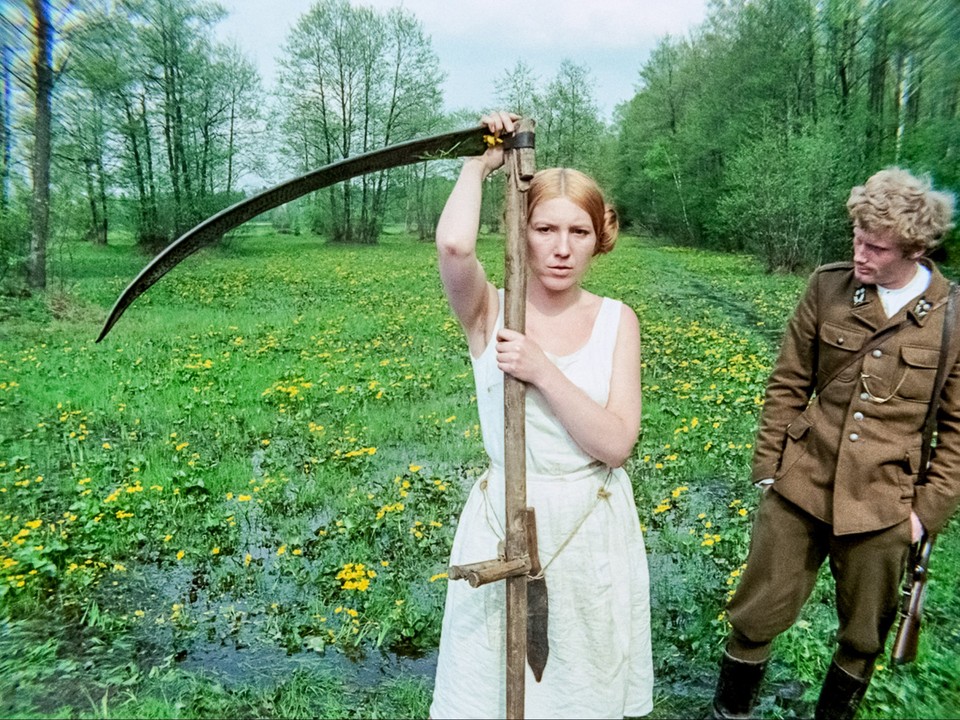
[Kolorowy kadr z filmu. Kobieta z białej sukni stoi na polu, trzyma sierp. Obok niej mężczyzna w mundurze, patrzy na nią.]
Chory na gruźlicę Staś przybywa do domu starszego brata. Ich spotkanie wyznacza śmierć. Staś, choć umierający, pragnie w ostatniej fazie życia cieszyć się każdą chwilą. Jego brat, Bolesław, choć fizycznie zdrowy, pogrąża się w coraz głębszej żałobie po stracie żony. Staś nawiązuje romans z wiejską dziewczyną, gra na pianinie skoczne melodie, stara się przeżyć najpełniej każdą godzinę życia. Tymczasem Bolesław zatraca się w depresji, znęca się nad córką, odrzuca wszelkie radości, chce nie tylko cierpieć, ale też oczekuje, by cierpieli inni.
W zmysłowo piękniej adaptacji opowiadania Jarosława Iwaszkiewicza związki Erosa i Tanatosa wyznaczają sens ludzkiego życia. Śmierć i życie, seksualność i martwota ciał łączą się tu w idealnych proporcjach. Wajda stworzył jeden z najbardziej plastycznych filmów, oprawę wizualną oparł na malarstwie pejzażowym i symbolizmie przełomu XIX i XX wieku, a w jednej ze scen dokonał arcydzielnej interpretacji Śmierci Jacka Malczewskiego. Nakręcony dla telewizji film z początku nie miał tak szerokiej dystrybucji jak inne filmy Wajdy, ale gdy po dziesięciu latach trafił na Zachód, został tam przyjęty jako jedno z największych arcydzieł w dorobku reżysera.
W zmysłowo piękniej adaptacji opowiadania Jarosława Iwaszkiewicza związki Erosa i Tanatosa wyznaczają sens ludzkiego życia. Śmierć i życie, seksualność i martwota ciał łączą się tu w idealnych proporcjach. Wajda stworzył jeden z najbardziej plastycznych filmów, oprawę wizualną oparł na malarstwie pejzażowym i symbolizmie przełomu XIX i XX wieku, a w jednej ze scen dokonał arcydzielnej interpretacji Śmierci Jacka Malczewskiego. Nakręcony dla telewizji film z początku nie miał tak szerokiej dystrybucji jak inne filmy Wajdy, ale gdy po dziesięciu latach trafił na Zachód, został tam przyjęty jako jedno z największych arcydzieł w dorobku reżysera.